A Buyer's Guide to Clutch Plates: What Every Pakistani Driver Should Know
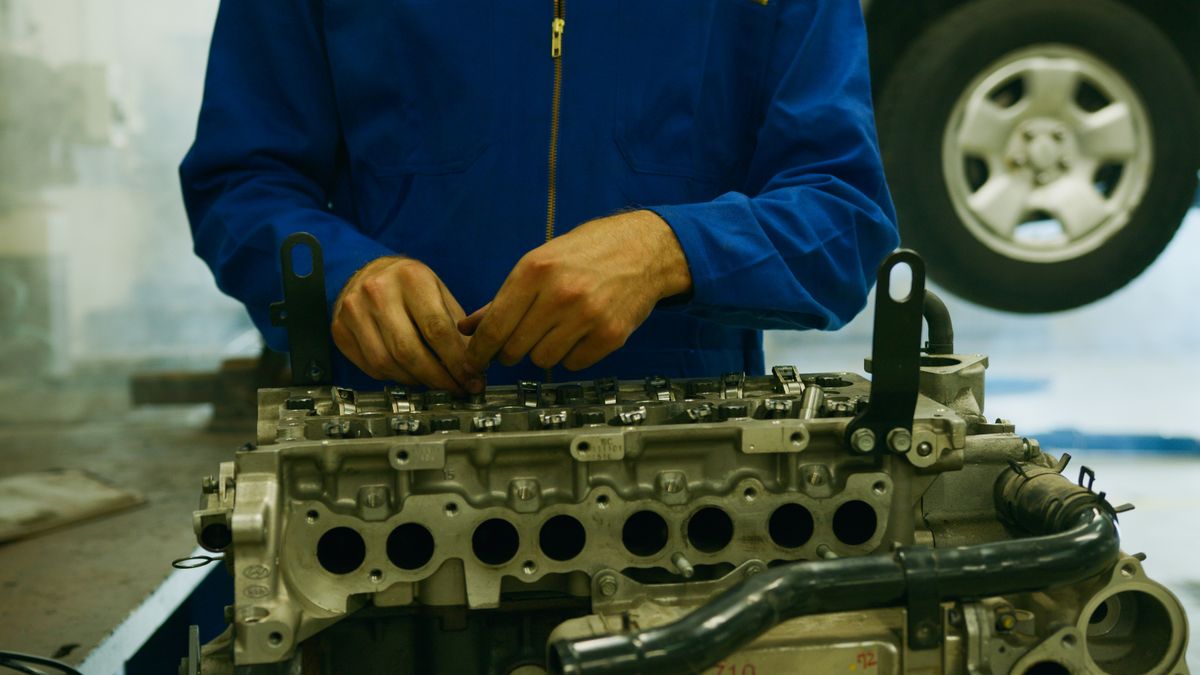
Ask any mechanic in Pakistan what they replace most often on manual-transmission vehicles, and clutch components will be near the top of the list. Heavy traffic, frequent stop-start driving, and a driving culture that includes a fair amount of clutch riding all add up to shorter clutch life than you would see in less congested markets. Understanding how a clutch plate works - and what determines its lifespan - helps you make a better buying decision when it is time to replace one.
What the clutch plate actually does
The clutch plate (also called the clutch disc) sits between your engine's flywheel and the transmission, and its job is to transfer engine power to the gearbox smoothly, without transferring it violently. The friction material bonded or riveted to its surface is what actually grips the flywheel and pressure plate; that material wears down gradually every time the clutch is engaged, and especially every time it slips - which happens more than most drivers realize in heavy city traffic.
Signs your clutch plate is wearing out
A slipping clutch - where engine RPM rises without a matching increase in road speed, especially under load or going uphill - is the clearest sign. A burning smell after repeated gear changes in traffic, a clutch pedal that engages very high or very low in its travel compared to when the car was new, and difficulty getting smoothly into gear are all common early symptoms worth acting on before the plate fails completely.
New, remanufactured, or relined - what is the difference?
A brand-new clutch plate, whether Genuine OEM or quality aftermarket, comes with fresh friction material and a new hub assembly. A remanufactured or relined clutch plate takes a used plate's metal hub and pressure plate assembly - which do not wear out anywhere near as fast as the friction material itself - and fits new friction facing to it. This is a completely legitimate and widely practiced approach, particularly for older or less common vehicles where a brand-new OEM plate might be expensive or hard to source, and it is a specialty many sellers in Pakistan's auto parts trade, including workshops that also service heavy machinery and commercial vehicles, focus on specifically.
What affects how long a new clutch plate lasts
Driving style matters more than almost anything else - riding the clutch, resting your foot on the pedal while driving, and aggressive standing starts all accelerate wear regardless of how good the part is. Vehicle use matters too: a car mostly driven on the highway will see far less clutch wear than the same car used for stop-start city driving or, especially, commercial use carrying heavy loads. Finally, the quality of the friction material itself makes a real difference - a well-made facing, correctly bonded or riveted, will hold up to heat and pressure far better than a poorly made one.
What to check before buying
Confirm the plate matches your vehicle's exact make, model, and engine variant - clutch plates are not universal, and even different trim levels of the same model can use different diameters or spline counts. Ask the seller about the condition grade (new, Japanese Kabli, aftermarket, or reconditioned) so you know exactly what you are getting, and check whether the friction material is bonded or riveted, since this affects both cost and expected lifespan. On PakAutoMart, sellers list condition and fitment details directly against each part, so you can compare offers for the same component side by side before deciding.
Recent Posts
OEM vs Aftermarket vs Japanese Kabli: Understanding Auto Parts Grades in Pakistan
A Buyer's Guide to Clutch Plates: What Every Pakistani Driver Should Know
Toyota Corolla Maintenance Schedule: A Generation-by-Generation Guide