Genuine vs Reconditioned Parts: When Each Makes Sense
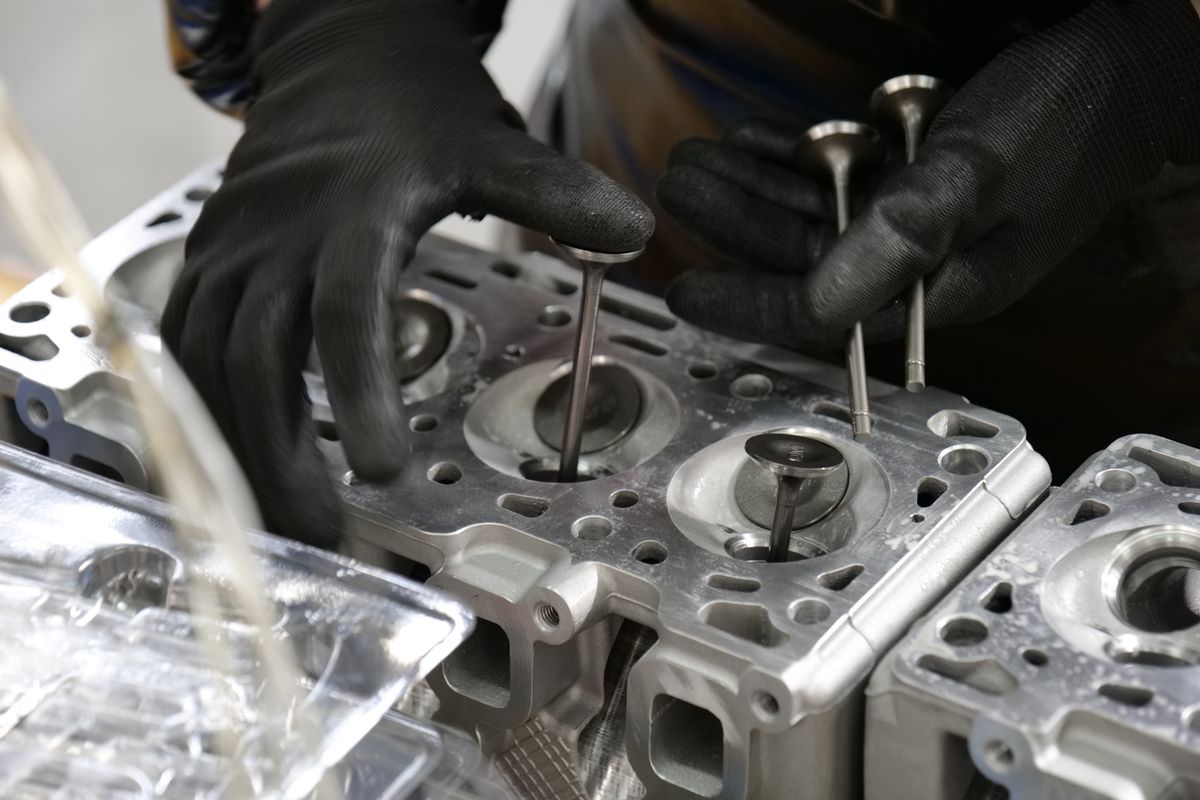
There is a common assumption that "reconditioned" automatically means "inferior," but that is not accurate for every part category. For some components, reconditioning is not a compromise - it is the standard, expected way the part is maintained throughout its working life. For others, it genuinely is a lower-cost alternative to a new part, with trade-offs worth understanding.
Parts designed to be reconditioned
Clutch plates and brake shoes are the clearest examples. Both are built around a durable core - a metal hub and pressure plate for a clutch, a metal shoe frame for a drum brake - paired with a friction surface that is expected to wear out and be renewed. Relining these components with fresh friction material, using the original core, is not a workaround; it is how these parts have always been serviced in workshops with the right equipment, long before "reconditioned" became a category on an online marketplace. If anything, a well-executed relining job on a solid original core can be just as reliable as buying new, at a meaningfully lower cost.
Parts where reconditioning is more of a trade-off
Electronic and electrical components - alternators, starter motors, ECUs - fall into a different category. Reconditioning here usually means replacing worn brushes, bearings, or specific failed components while reusing the housing and core electronics. This can work well when done by a reputable specialist, but the quality gap between a carefully reconditioned unit and a poorly reconditioned one is much wider than it is for a mechanically simple part like a clutch plate, simply because there is more that can go wrong or be missed during the rebuild.
What to ask before buying reconditioned
Ask what specifically was replaced versus reused - a vague answer is a warning sign, while a seller who can tell you exactly which components were renewed is more likely to have done careful work. Ask whether the part was tested after reconditioning and under what conditions. For clutch and brake relining specifically, ask what friction material was used, since this affects both durability and stopping or grip performance.
Cost comparison worth doing
Reconditioning a clutch plate you already own, or buying a reconditioned unit with a customer-supplied core, is very often 30-50% less expensive than buying new, for a part that performs comparably when the underlying core was in good condition to begin with. For less mechanically simple components, run the numbers on your specific situation - sometimes the price gap between reconditioned and new aftermarket is small enough that new is the better value once you account for the uncertainty.
The bottom line
Reconditioning is not a lesser category of part - it is the right choice for the right components, done by the right seller. For clutch and brake friction components especially, it is a well-established, cost-effective option that PakAutoMart sellers specializing in remanufacturing and relining work with every day.
Recent Posts
OEM vs Aftermarket vs Japanese Kabli: Understanding Auto Parts Grades in Pakistan
A Buyer's Guide to Clutch Plates: What Every Pakistani Driver Should Know
Toyota Corolla Maintenance Schedule: A Generation-by-Generation Guide