OEM vs Aftermarket vs Japanese Kabli: Understanding Auto Parts Grades in Pakistan
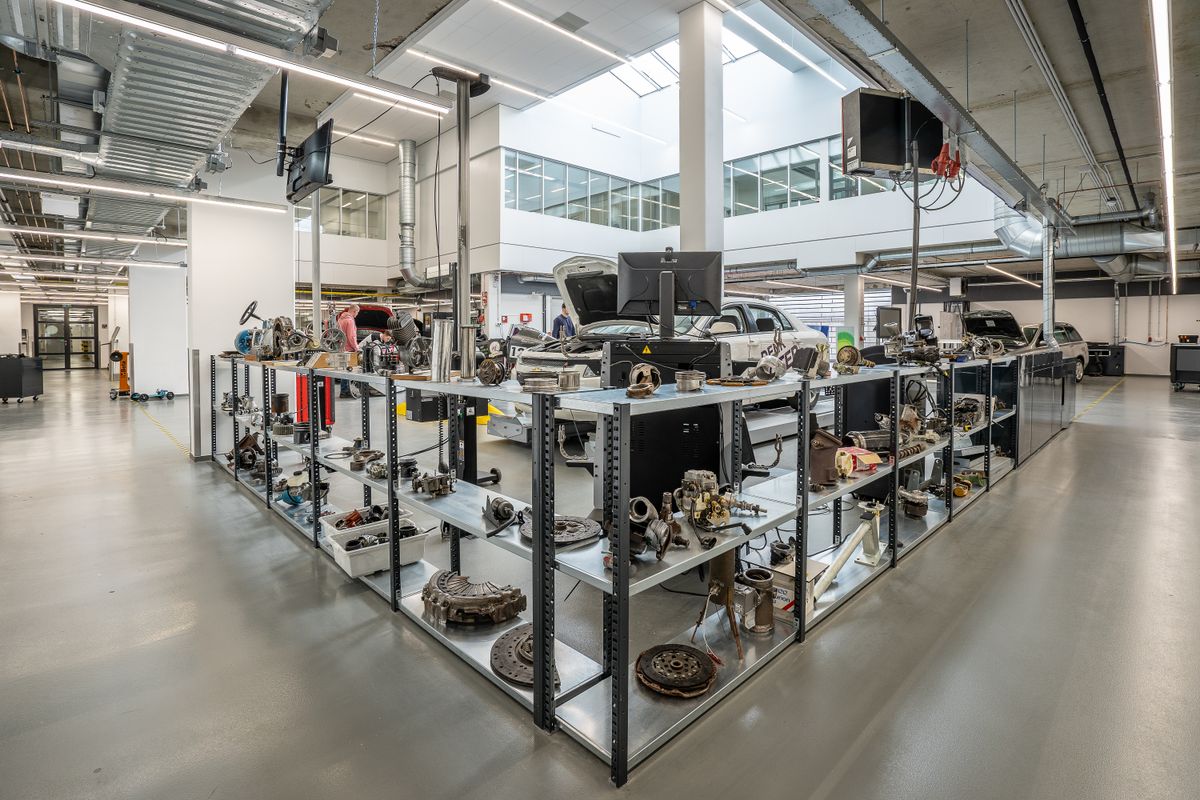
If you have shopped for spare parts anywhere in Pakistan - a parts market, a mechanic's recommendation, or online - you have probably run into four terms that get thrown around a lot: Genuine OEM, Japanese Kabli, Aftermarket, and Reconditioned. Each one describes a genuinely different product, and knowing the difference can save you money or save you from a part that fails in a month.
New Genuine OEM
OEM stands for Original Equipment Manufacturer. A Genuine OEM part is made by, or under contract for, the same company that manufactured your vehicle - the exact part your car left the factory with, or an identical replacement produced through the manufacturer's official supply chain. These parts carry the highest price tag, but they also carry the tightest tolerances and the most predictable fit, since they are made to the vehicle's original specification with no guesswork.
Genuine OEM is usually the right call for safety-critical components - braking systems, steering components, and anything where a slightly-off fit could cause a bigger problem down the line.
Japanese Kabli Grade A+
"Kabli" is a term specific to the Pakistani and wider South Asian auto parts trade. It refers to genuine used parts imported from Japan, typically pulled from vehicles that were scrapped or written off after relatively low mileage - Japan's vehicle inspection and taxation system means cars are often retired long before their components are actually worn out. A Grade A+ Kabli part is a real, factory-made component in excellent working condition, just not new.
For many buyers, this is the practical middle ground: genuine manufacturer quality at a meaningfully lower price than brand-new OEM, particularly for parts where "new" condition matters less than "the metal is genuinely from the original manufacturer" - alternators, some engine components, and body parts are common examples.
Aftermarket Replacement
Aftermarket parts are made by a company other than your vehicle's manufacturer, designed to fit and function in place of the original part. Quality varies enormously across the aftermarket world - some aftermarket manufacturers meet or exceed OEM specifications, while others cut corners on materials or tolerances to hit a lower price point. This is the category where doing a little homework on the specific brand matters most.
Aftermarket is often the sensible choice for high-wear, low-risk consumables - filters, belts, and similar items you will replace again in the normal course of maintenance anyway.
Reconditioned
A reconditioned part started life as a genuine component - new or used - that has been disassembled, cleaned, had its worn elements replaced or repaired (a clutch plate re-lined with fresh friction material is a classic example), and reassembled to working condition. This is common and entirely legitimate for parts like clutch plates, brake shoes, and certain engine components, where the core metal housing or plate is durable but the wearable surface needs periodic renewal - exactly the kind of remanufacturing and relining work many specialist sellers on PakAutoMart focus on.
Which grade should you choose?
There is no single right answer - it depends on the part, your vehicle's age, your budget, and how long you plan to keep the vehicle. As a rule of thumb: prioritize Genuine OEM or well-reviewed Japanese Kabli for safety-critical systems, consider quality aftermarket for routine consumables, and look at reconditioning specifically for parts - like clutch and brake friction components - that are designed to be renewable by their nature.
Whichever grade you choose, PakAutoMart lists the condition on every seller offer so you can compare like for like before you buy.
Recent Posts
OEM vs Aftermarket vs Japanese Kabli: Understanding Auto Parts Grades in Pakistan
A Buyer's Guide to Clutch Plates: What Every Pakistani Driver Should Know
Toyota Corolla Maintenance Schedule: A Generation-by-Generation Guide