Brake Pads vs Brake Shoes: Which Does Your Vehicle Need?
"Brake pads" and "brake shoes" get used interchangeably in everyday conversation, but they actually describe two mechanically different braking systems: disc brakes and drum brakes. Most vehicles in Pakistan use a mix of both - disc brakes at the front, drum brakes at the rear - though this varies by model and, increasingly, newer vehicles use disc brakes on all four wheels.
Disc brakes and brake pads
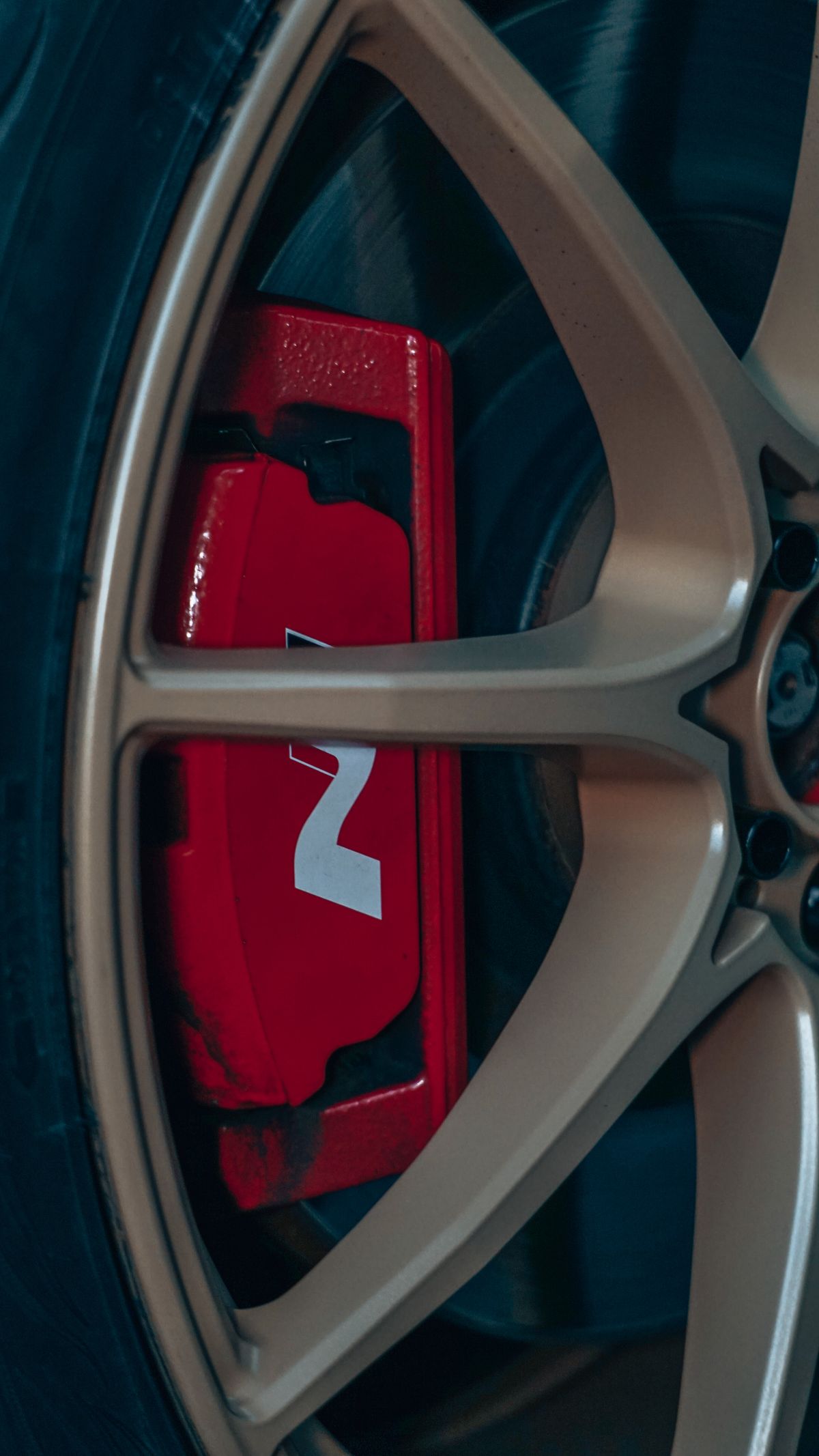
A disc brake system uses a caliper that squeezes two brake pads against a spinning metal disc (the rotor) to slow the wheel. Brake pads are flat, roughly rectangular friction blocks that sit inside the caliper. Because the rotor is exposed to open air, disc brakes cool down faster than drum brakes, which is why they are almost always used on the front axle, where most of a vehicle's braking force and heat generation happens during normal driving.
Drum brakes and brake shoes
A drum brake system works differently: curved brake shoes are pushed outward from the inside against the interior surface of a rotating drum. Because the friction surfaces are enclosed rather than exposed, drum brakes run hotter under sustained heavy use and are generally less effective at rapid heat dissipation - which is exactly why they are typically reserved for the rear axle, where less braking force is required in normal driving.
Why this distinction matters when you are buying
Brake pads and brake shoes are not interchangeable, are shaped completely differently, and are sold as entirely separate categories of part. Buying the wrong one for your vehicle is not a matter of "close enough" - it simply will not fit. Before ordering, confirm which axle you are servicing and whether that axle uses disc or drum brakes on your specific vehicle; your owner's manual, or a quick look at the wheel with the tyre removed, will tell you immediately which system you are dealing with.
Signs either one needs replacing
A high-pitched squeal under braking is often an intentional wear indicator built into brake pads, designed to alert you before the friction material is fully gone. A grinding sound, on the other hand, usually means the friction material has worn through completely and metal is now contacting metal - at that point you risk damaging the rotor or drum itself, turning a routine pad or shoe replacement into a more expensive repair. Reduced braking performance, a pedal that needs to be pressed further than usual, or the vehicle pulling to one side under braking are all signs worth having checked promptly.
Choosing a replacement
Match the exact part to your vehicle's make, model, and often the specific trim or engine variant, since brake dimensions can differ even within the same model line. Consider the condition grade carefully for a safety component like this - Genuine OEM or well-reviewed Japanese Kabli parts are worth the extra cost for brakes specifically, given how directly they affect your ability to stop safely. Many sellers on PakAutoMart specializing in relining and remanufacturing also offer brake shoe relining services, refitting new friction material to a customer-supplied shoe core, which is a cost-effective option for drum brake systems on older or heavier vehicles.
Recent Posts
OEM vs Aftermarket vs Japanese Kabli: Understanding Auto Parts Grades in Pakistan
A Buyer's Guide to Clutch Plates: What Every Pakistani Driver Should Know
Toyota Corolla Maintenance Schedule: A Generation-by-Generation Guide