A Guide to Timing Belts, Chains and Pulleys
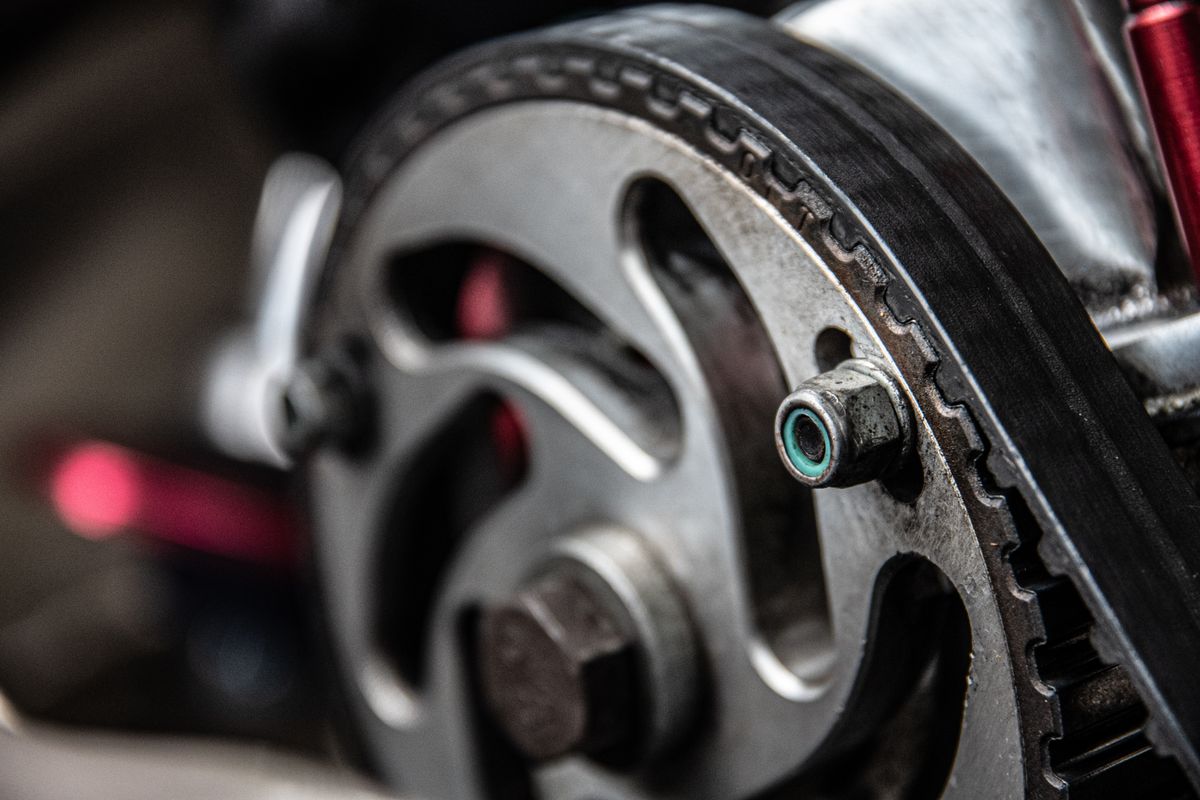
Deep inside every engine, the timing system ensures that valves open and close in perfect synchronization with piston movement - a mismatch of even a fraction of a second can cause serious internal engine damage. Understanding this system, and specifically whether your vehicle uses a timing belt or timing chain, is important knowledge for any owner.
Timing belts versus timing chains
A timing belt is made of reinforced rubber and, like any rubber component, degrades over time regardless of how well the engine has otherwise been maintained - this is why timing belts have a mandatory replacement interval based on time or mileage, whichever comes first, rather than being a "replace when worn" item. A timing chain, by contrast, is made of metal and generally lasts much longer, often the lifetime of the engine under normal conditions, though it is not entirely maintenance-free and can stretch or wear over very high mileage.
Why timing belt intervals matter so much
Unlike many maintenance items where a delayed replacement simply means continued gradual wear, a timing belt that fails completely while the engine is running can cause immediate and serious internal damage in many engine designs, where pistons and valves can physically collide if their timing relationship is lost. This is fundamentally different from most other maintenance items, and it is the reason manufacturers specify a firm interval rather than a "replace when it shows wear" guideline - by the time a timing belt shows visible wear, it may already be past a safe point.
The role of pulleys and tensioners
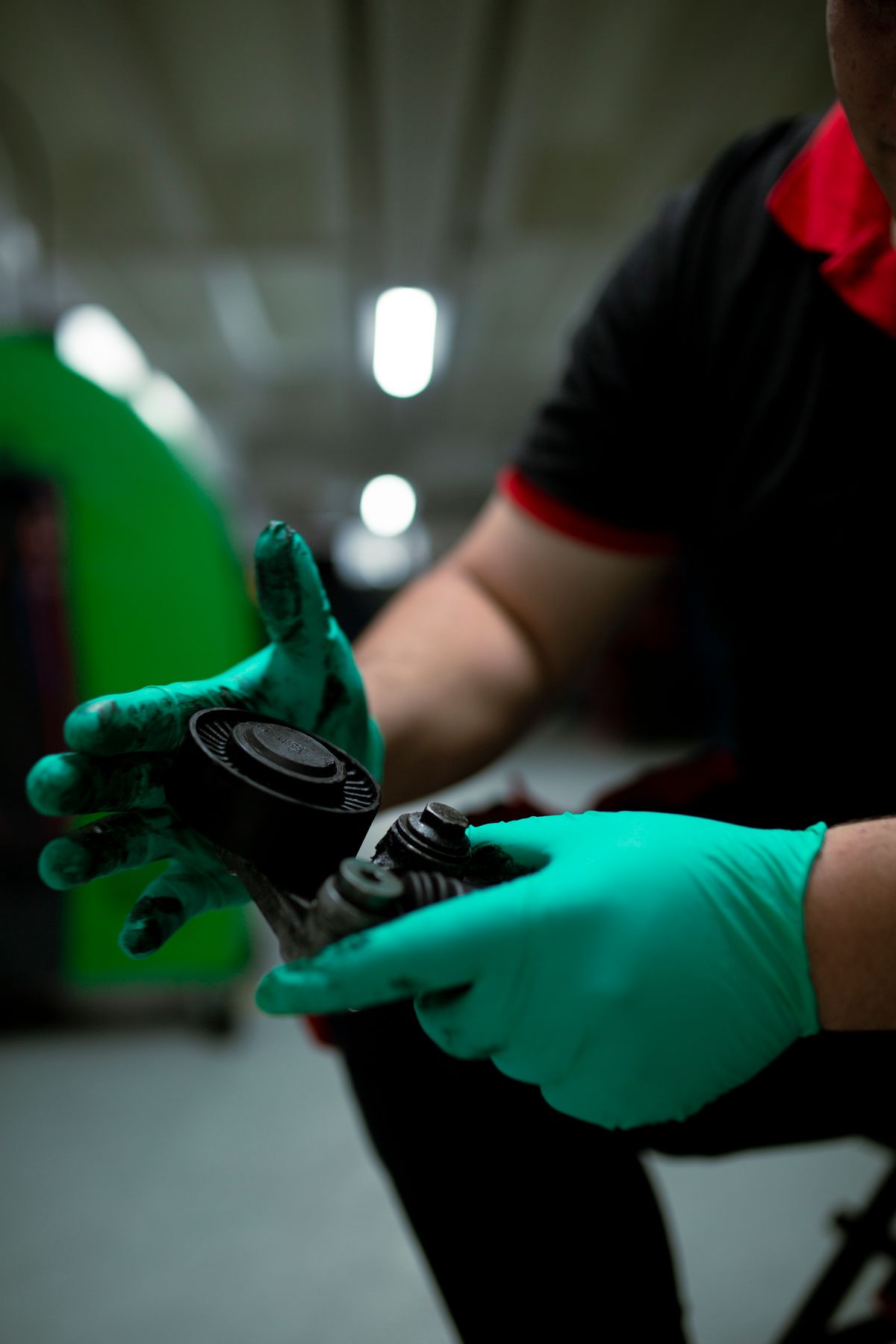
The timing belt or chain runs over pulleys and is kept at the correct tension by a tensioner, and these supporting components are just as important as the belt or chain itself. A worn tensioner or pulley bearing can cause a timing belt to run improperly even if the belt itself is otherwise in reasonable condition, which is why a proper timing belt replacement typically includes replacing the tensioner and idler pulleys at the same time - doing the belt alone while leaving worn supporting components in place is a false economy that risks a repeat failure.
Belts, chains, and pulleys elsewhere in the engine
Beyond the timing system, most engines use additional belts - often a single serpentine belt in newer vehicles - to drive the alternator, power steering pump, and air conditioning compressor. These accessory belts and their pulleys wear from age, heat, and tension cycling, and a cracked or glazed accessory belt is worth replacing promptly, since a snapped accessory belt while driving can leave you without power steering or charging.
Maintenance guidance
Know whether your vehicle uses a timing belt or timing chain, and if it is a belt, know the manufacturer's recommended replacement interval and stick to it regardless of how the belt looks - visual inspection is not a reliable way to judge remaining timing belt life. For accessory belts, periodic visual inspection for cracking, glazing, or fraying is a reasonable way to catch wear before failure, alongside listening for new squealing noises that often indicate a belt or pulley bearing issue.
Recent Posts
OEM vs Aftermarket vs Japanese Kabli: Understanding Auto Parts Grades in Pakistan
A Buyer's Guide to Clutch Plates: What Every Pakistani Driver Should Know

Toyota Corolla Maintenance Schedule: A Generation-by-Generation Guide