Heavy Machinery Brake and Clutch Relining: A Guide for Fleet Owners
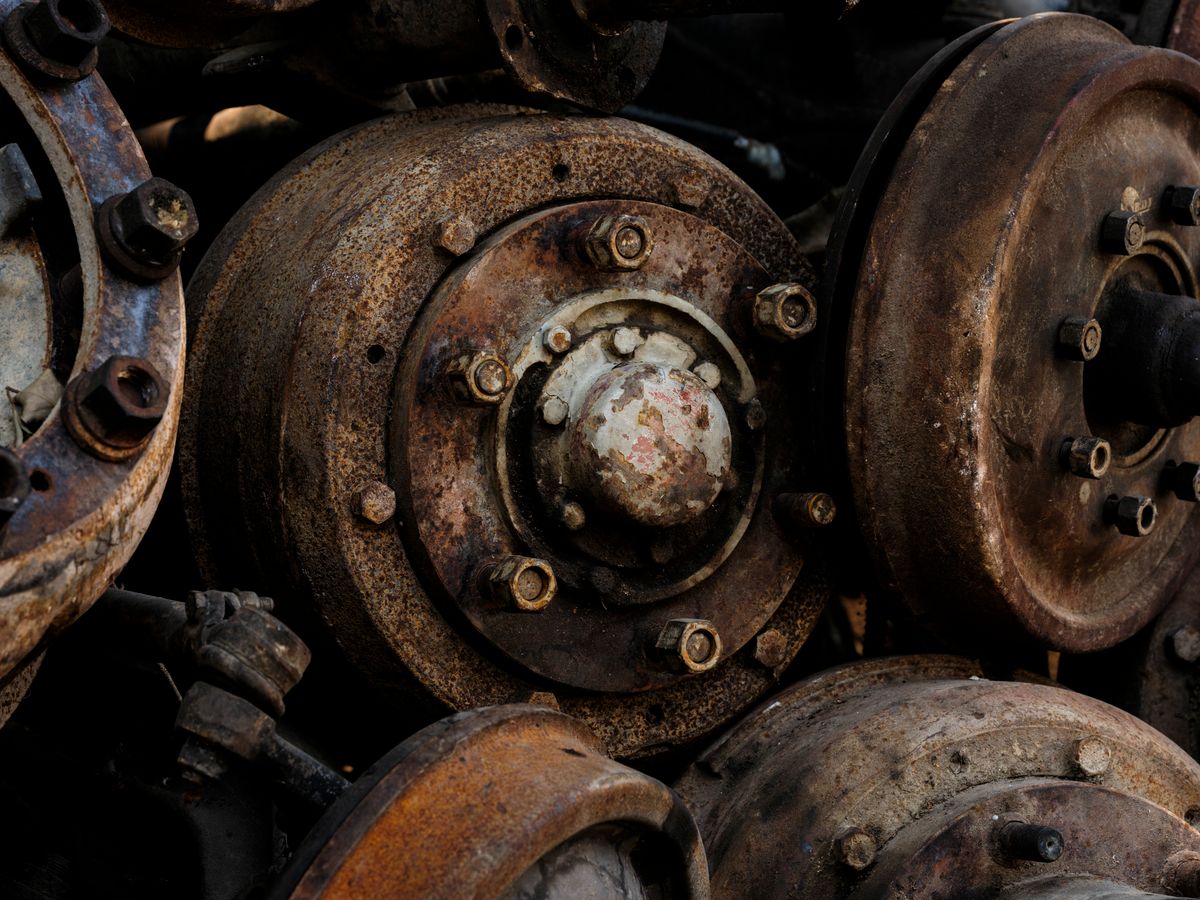
For operators of trucks, buses, tractors, cranes, and other heavy equipment, brake and clutch maintenance is not a periodic inconvenience - it is a core operating cost that directly affects uptime and safety. Relining, rather than always replacing complete assemblies, is a long-established practice in this segment for good reason.
Why heavy equipment wears these components faster
The sheer mass involved in stopping or engaging drive on heavy machinery means far more energy is dissipated through brake and clutch friction surfaces than in a passenger vehicle of similar design. A loaded truck or a crane's hoisting mechanism puts loads on friction components that would be considered extreme in a car, which is exactly why these systems are engineered around replaceable friction surfaces on a durable core - the expectation of relatively frequent relining is built into the design philosophy, not a sign of poor engineering.
The economics of relining versus full replacement
A complete new clutch assembly or brake shoe set for heavy equipment can represent a substantial cost, particularly for less common machinery where new parts may need to be specially sourced or imported. Relining an existing core - stripping worn friction material and bonding or riveting fresh material to the same structurally sound hub, plate, or shoe frame - is very often a fraction of that cost, provided the underlying core has been properly inspected and is free of cracks, warping, or other structural damage.
What proper relining involves
Quality relining starts with careful inspection of the core component for any structural damage that would make it unsuitable for reuse, regardless of how attractive the cost savings look. The old friction material is then completely removed, the core surface prepared correctly, and new friction material - selected appropriately for the specific application, since a crane's brake requirements differ from a truck's clutch requirements - is bonded or riveted using proper techniques and equipment. Skipping any of these steps risks a relined part that fails prematurely, which is far more costly in downtime than doing the job correctly the first time.
Building a relining relationship for fleet operations
For fleet operators running multiple vehicles or machines, establishing a relationship with a specialist who understands relining across different equipment types - motorcycles through heavy machinery - pays off over time, both in consistent quality and in faster turnaround when equipment needs to get back into service quickly. Look for a specialist who asks about your specific application and duty cycle rather than offering a one-size-fits-all approach, since the right friction material and technique genuinely differ between, for example, a delivery truck's clutch and a tower crane's brake system.
Planning maintenance rather than reacting to failure
Given how central these components are to both safety and uptime, scheduling relining proactively based on usage patterns - rather than waiting for a failure - is the more cost-effective and safer approach for any commercial operation. Tracking usage hours or cycles for critical equipment, and relining on a planned schedule, avoids the far more expensive and disruptive scenario of an unplanned failure during active operation.
Recent Posts
OEM vs Aftermarket vs Japanese Kabli: Understanding Auto Parts Grades in Pakistan
A Buyer's Guide to Clutch Plates: What Every Pakistani Driver Should Know
Toyota Corolla Maintenance Schedule: A Generation-by-Generation Guide