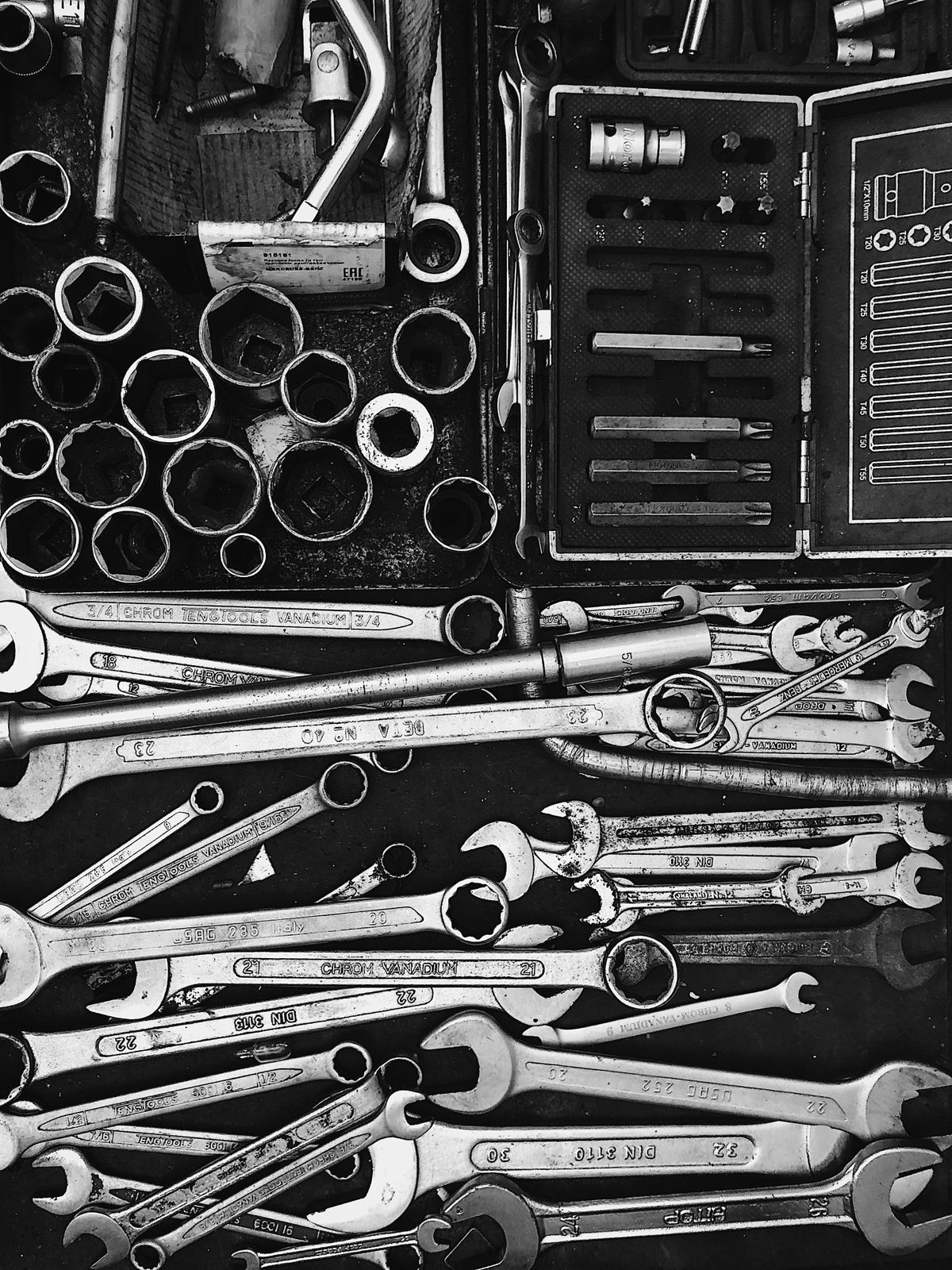
How to Request a Quote for Hard-to-Find Auto Parts

Every auto parts marketplace, no matter how extensive its catalog, will occasionally not have exactly what a specific buyer needs readily listed - an unusual part for an older vehicle, a component for imported or less common machinery, or simply something no seller has gotten around to listing yet. This is exactly the situation a request-a-quote, or RFQ, system is designed to solve.
What an RFQ actually is
Rather than searching a catalog and hoping to find an exact match, an RFQ lets you describe exactly what you need - the vehicle or equipment, the specific part, any part numbers you already have, and your preferred condition grade - and puts that request in front of sellers who may be able to source it, even if they do not currently have it listed. It flips the usual search process: instead of you searching listings, sellers respond to your specific need.
When an RFQ makes sense
If you have searched and genuinely cannot find a listing for what you need, an RFQ is the logical next step rather than giving up. This is particularly useful for older or less common vehicles where standard listings may be sparse, for heavy machinery and specialized equipment where cataloging every possible part is impractical, and for situations where you need a specific condition grade or quantity that does not match existing listings.
What to include in a good RFQ
The more specific information you provide, the better sellers can respond usefully. Include your exact vehicle make, model, year, and engine variant if relevant, since this is often the single most important piece of information for confirming fitment. Include any part numbers you have, even partial ones, since sellers with cross-referencing experience can often work from incomplete information. Specify your preferred condition grade if you have one, and be clear about quantity if you need more than a single unit.
What happens after you submit a request
Your request becomes visible to sellers who deal in that category of part, and interested sellers can respond with their own offers - price, condition, and availability - based on what they can actually source. This means you may receive multiple responses to compare, similar to getting quotes from several suppliers directly, without having to individually contact each one yourself.
Getting the most out of the RFQ system
Be responsive to seller questions - sometimes a seller needs one additional detail to confirm they can source exactly what you need, and a quick reply keeps the process moving. Be realistic about timelines for genuinely hard-to-find parts, since sourcing something unusual may take longer than an item already sitting on a shelf. And once you receive quotes, evaluate them the same way you would any other listing - condition grade, seller verification, and price together, not price alone.
Recent Posts
OEM vs Aftermarket vs Japanese Kabli: Understanding Auto Parts Grades in Pakistan

A Buyer's Guide to Clutch Plates: What Every Pakistani Driver Should Know

Toyota Corolla Maintenance Schedule: A Generation-by-Generation Guide