Motorcycle Maintenance Basics for Honda and Yamaha Bikes in Pakistan
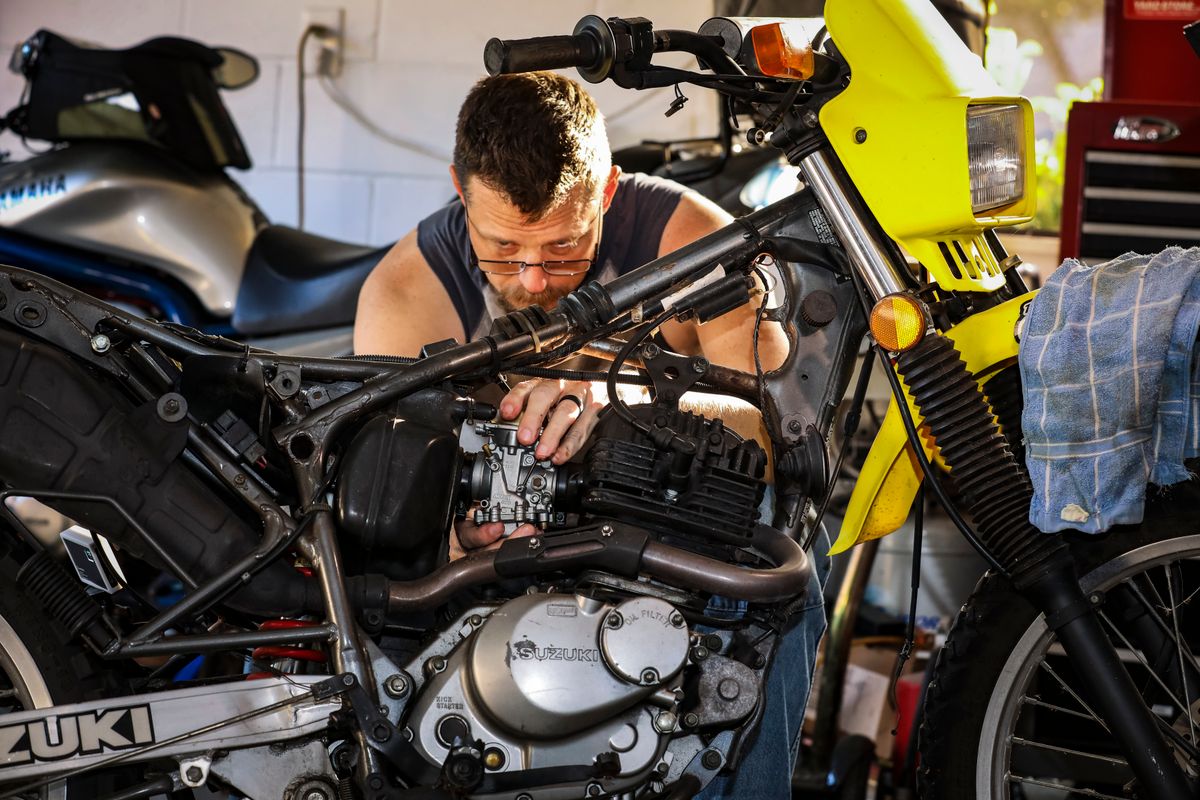
With millions of motorcycles on Pakistani roads, two-wheelers are arguably the country's single most important form of personal transport. Honda and Yamaha models in particular dominate the market, and while the specific engineering varies by model, the fundamentals of keeping a motorcycle running reliably are broadly similar across brands.
Chain and sprocket maintenance
Unlike a car's enclosed drivetrain, a motorcycle's chain is exposed to dust, water, and road grime constantly, which makes regular cleaning and lubrication genuinely important rather than optional. A dry or dirty chain wears both itself and the sprockets it runs on far faster than a well-maintained one, and a stretched chain that has gone too long without adjustment can eventually damage the sprockets it engages with, turning a simple lubrication habit into a more expensive replacement.
Clutch care on motorcycles
Most Honda and Yamaha commuter models in Pakistan use a wet multi-plate clutch, running in the same oil as the engine. This design is generally durable, but riders who frequently ride the clutch in heavy traffic - a common habit given how often motorcycles are used for exactly that kind of stop-start commuting - will see faster wear on the friction plates than riders with lighter clutch habits. A clutch that engages differently than it used to, or that slips under acceleration, is worth having checked before it fails completely.
Brake system basics
Most commuter motorcycles use drum brakes at the rear and either drum or disc brakes at the front depending on model and trim. Brake shoe or pad wear is directly tied to riding style and traffic conditions - frequent hard braking in heavy city traffic wears components faster than steady, anticipatory riding. Given how directly braking performance affects rider safety on a vehicle with far less structural protection than a car, this is not an area to defer maintenance on.
Engine oil and filtration
Because motorcycle engines typically run at higher RPM than car engines relative to their size, and because the oil often also lubricates the clutch and transmission in a wet-clutch design, oil condition matters more than many riders realize. Sticking to recommended oil change intervals - and shortening them for bikes used heavily in stop-start traffic - protects not just the engine but the clutch system sharing that oil.
Basics that apply across every model
Tyre pressure checked regularly affects handling, fuel economy, and tyre wear far more than most riders assume. A clean air filter matters more in Pakistan's dusty conditions than it might in cleaner environments. And genuine or well-reviewed aftermarket brake and clutch components are worth prioritizing over the cheapest available option, given how directly both systems affect rider safety on a vehicle with limited protection in a collision.
Finding the right parts
Whether you ride a Honda or a Yamaha, confirming your exact model and engine variant before ordering parts avoids the common mistake of assuming components are interchangeable across a manufacturer's different model lines - they frequently are not, even within similarly sized engines.
Recent Posts
OEM vs Aftermarket vs Japanese Kabli: Understanding Auto Parts Grades in Pakistan
A Buyer's Guide to Clutch Plates: What Every Pakistani Driver Should Know
Toyota Corolla Maintenance Schedule: A Generation-by-Generation Guide